
01
Arms set the shape
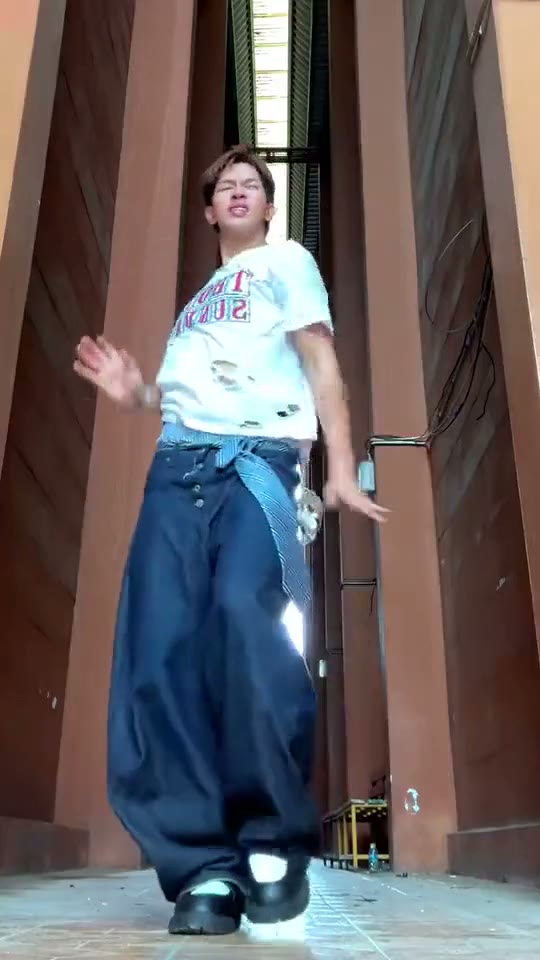
Arm sweeps and hands near the head establish the routine. The steady view lets you follow the person rather than a moving camera.
Prepare a full-body photo for a solo routine with arm sweeps, a knee lift and body movement.
JPG, PNG or WebP · up to 5 MB each
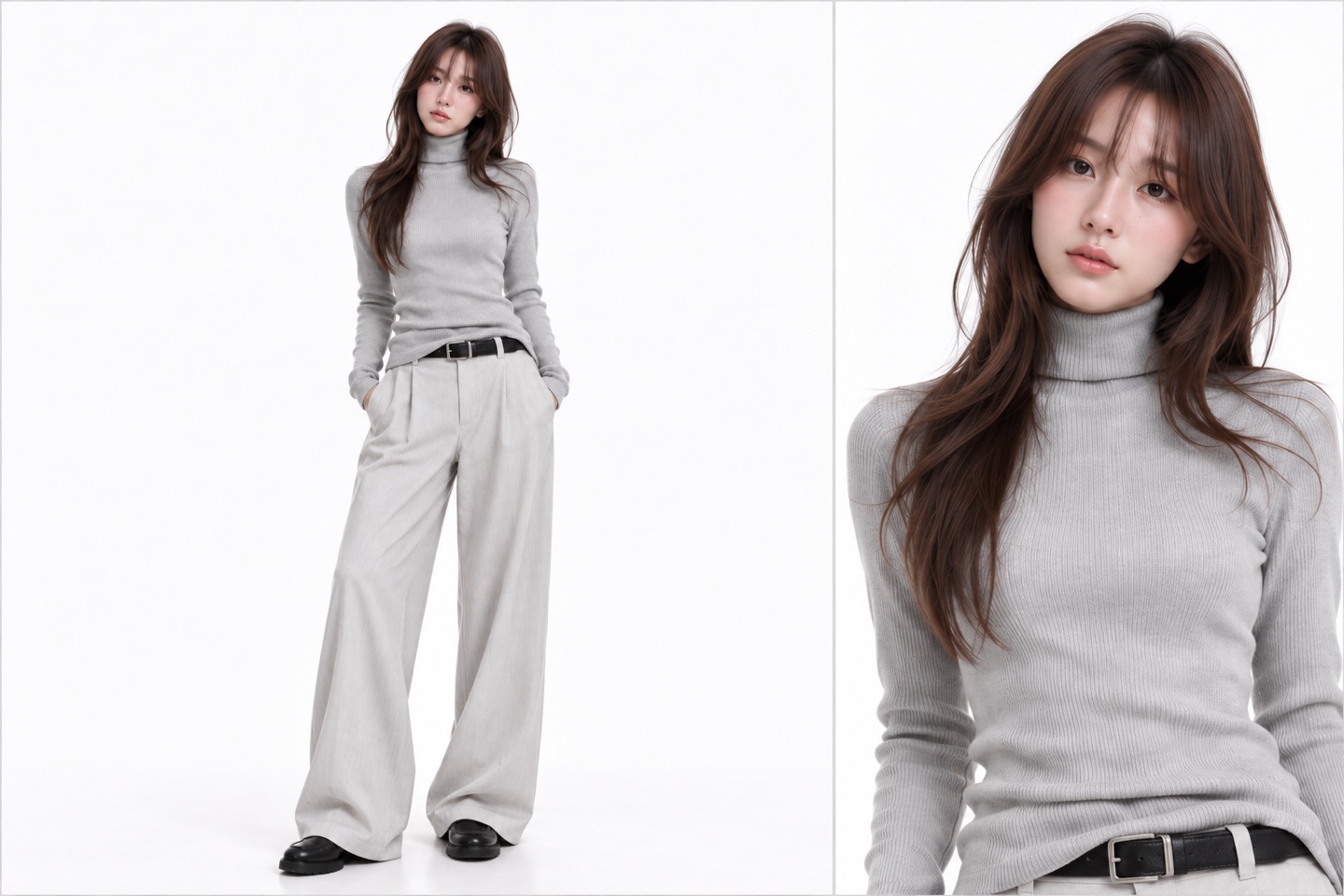
One adult, full body and both feet visible
Credits are returned for confirmed generation failures.
Checking credits…
Checking your task…Use your own photo or an adult’s photo with their permission. How your photo is used
LISA Tarantino AI Dance is a solo choreography concept. The reference shows one dancer between tall copper-colored pillars, with a low, steady camera that keeps the outfit and movement in view. Arm sweeps, hands near the head, a knee lift and body movement give the routine its shape. Use the preview to decide whether this is the dance you mean, then prepare a full-body photograph with a clear face and visible shoes.
START WITH YOUR PHOTO
Choose one adult in a standing full-body photograph. Keep the feet, hands and top of the head inside the frame. The reference’s loose clothing and full-body view make the movement easy to follow; your own photo should also give a readable outline, even if you choose a different outfit.
The knee lift and changes through the torso make a generous crop useful. Avoid cutting across the knees or hiding the feet behind a chair. A simple standing photograph lets you check the person’s proportions and clothes without a difficult pose obscuring them.
Use a source with visible eyes and a clear hairline. Hands placed over the mouth or eyes hide recognition cues. Relaxed arms with some separation from the torso give you a cleaner starting photograph than a tightly crossed or folded pose.
Contrast between clothes and background helps define the dancer. You can use loose trousers or a different everyday look; the important preparation is a visible silhouette. Tiny patterns and several dangling accessories are harder to judge once the video is viewed on a phone.
WATCH THE DETAILS
Arm sweeps and hands near the head establish the routine. The steady view lets you follow the person rather than a moving camera.
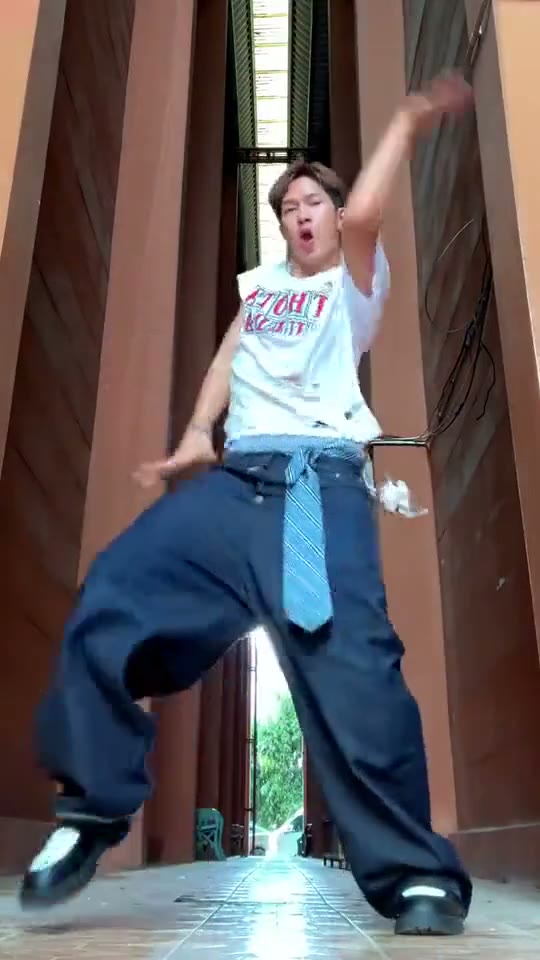
The lower-body phrase makes the full-body framing important. Leave the shoes and space around the legs visible in your edit.
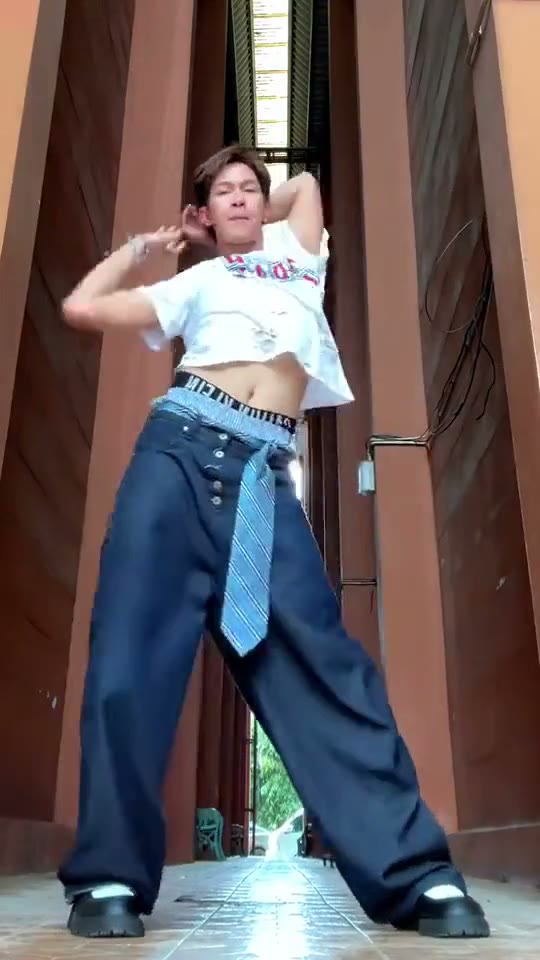
Body rolls and hip movement carry the phrase onward. Watch at normal speed to understand how the upper and lower body connect.
THE RIGHT ROUTINE
Dance names and location nicknames can overlap online. The useful way to identify this concept is the actual clip: one dancer, tall copper-colored pillars, a low fixed viewpoint and a sequence that includes the upper body and legs. This page stays focused on that Tarantino routine. It is separate from ReelBoop’s Hotel Lobby template, which has its own reference and two-role setup.
Play both references if you are unsure which one you wanted. A location label can tell you the mood, but it cannot tell you the choreography. Decide whether you want this solo phrase or an interaction between two people before preparing your files. That small check saves you from choosing a technically clear photograph for the wrong kind of video.
YOUR SOURCE
A useful full-body photograph still needs enough face detail to identify the person. Stand far enough from the camera to include the shoes, but not so far away that the face becomes a few pixels. Take the photo in even light and look at it at full size. Check both the face and the edges of the outfit before deciding it is ready.
A neutral standing pose is easier to inspect than a dramatic lean with one leg hidden. Keep the camera level and avoid an extreme wide-angle view that stretches the feet. A calm background and clear floor line help you see where the body ends. You do not need to find pillars or recreate the reference location for the source photograph.
AFTER CREATION
Add the source photo, check the preview thumbnail and review the quality options and credit quote shown in the panel. When a clip is ready, watch its arm phrase, knee lift and torso movement as a continuous sequence. Judge the overall rhythm before pausing on individual frames. Keep enough of the full body in view to understand the routine.
For the final post, select a cover with a clear face and a readable pose. A fast kick can be exciting in motion but confusing as a small still. Put any title in open space rather than across the dancer’s hands or knees. If you compare several dance concepts in a series, use a consistent cover treatment while letting the actual routines remain different.
It is a solo dance concept using the routine shown in the reference: arm sweeps, hands near the head, a knee lift or kick, and movement through the torso and hips. Watch the whole clip to identify the phrase you want.
These are separate ReelBoop templates. This page focuses on a solo routine between copper-colored pillars. Hotel Lobby uses a different reference and a two-role setup. Compare the playable examples instead of relying on a shared location nickname.
Use one adult in a clear full-body photograph. Keep other people out of the frame or crop them away without losing the intended dancer’s head, hands or feet. The single-subject setup on this page is for the solo routine.
Choose an outfit with a clear silhouette and visible details. You do not need the same white graphic shirt or loose jeans to prepare a useful source. Good lighting and contrast against the background make your own clothing easier to read.
The routine includes a lower-body phrase, so a source that cuts off the shoes leaves out useful information. Keep the whole body inside the photo and preserve enough room in the final crop for the knee lift and leg movement.
Use a comfortable, fairly level camera position for the source photograph. An extreme low angle can distort proportions. The reference establishes the dance viewpoint; your job is to supply a clear view of the person, face and outfit.
Select an available quality option in the creation area and review the displayed credit amount before starting. Keep that quote in view when choosing your setting. Another dance template can use a different amount, so compare the actual panels.
Watch the completed phrase, choose a stable cover pose and keep the full dancer visible in your social crop. Place captions away from the hands and knees. Check the clip at phone size before downloading or preparing your final edit.
YOUR NEXT IDEA
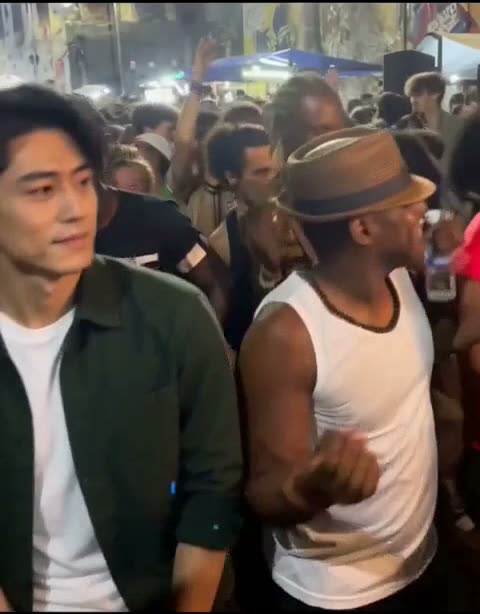 Charme Dance
One photo, dropped into the street crowd.
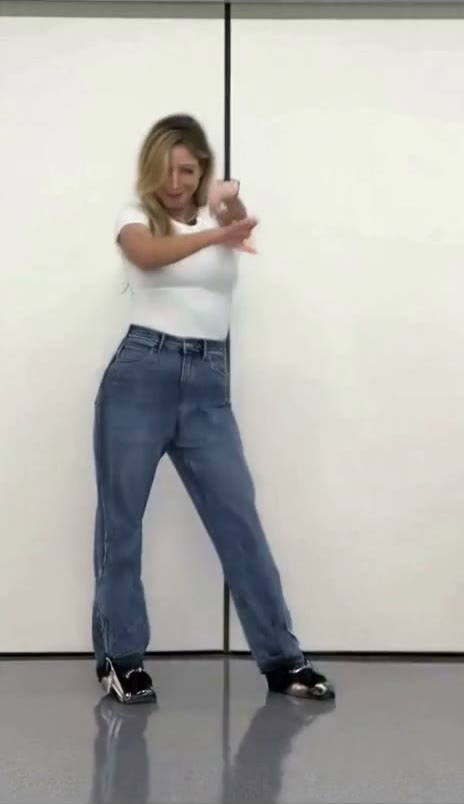 IVE Looks Can Kill
Your photo. Studio turns, gestures and the original beat.
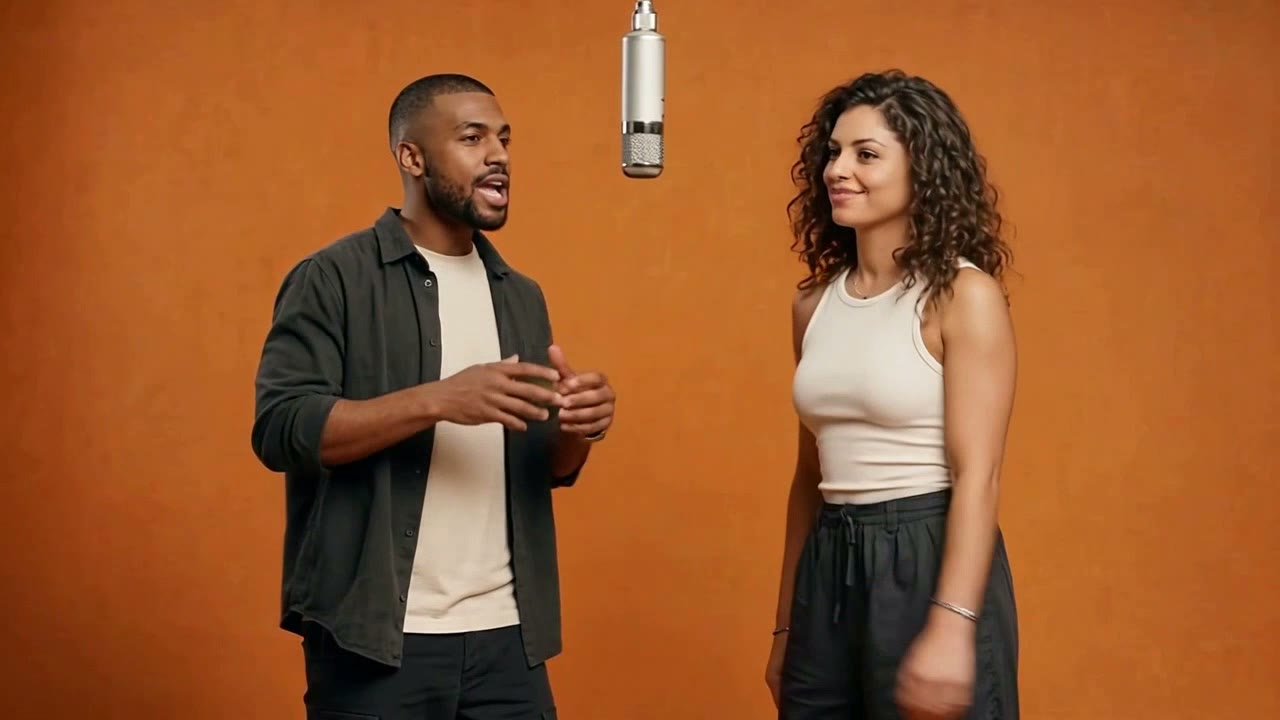 Hotel Lobby
Two photos. One orange-studio duet.
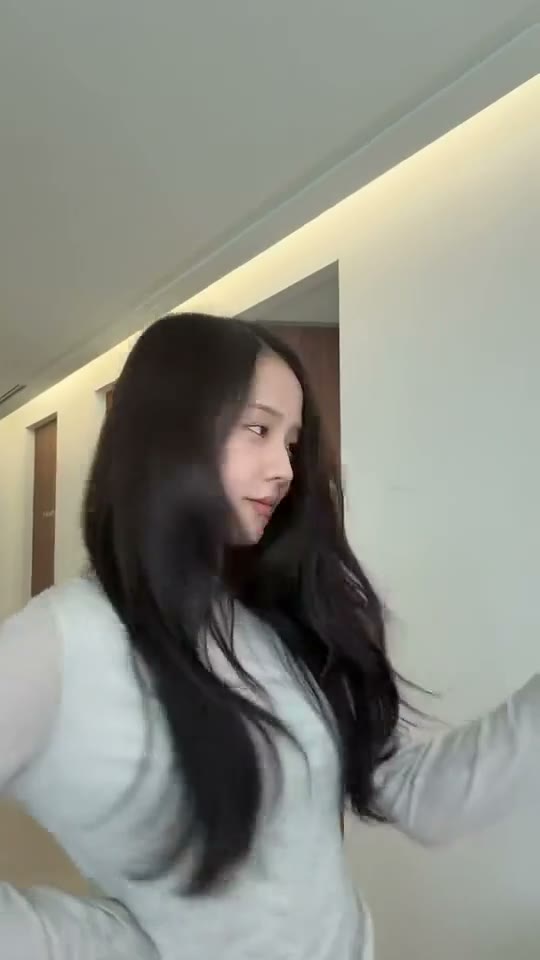 JISOO ADDICTED AI Dance
Put two portraits into a playful partner routine with a change of places.